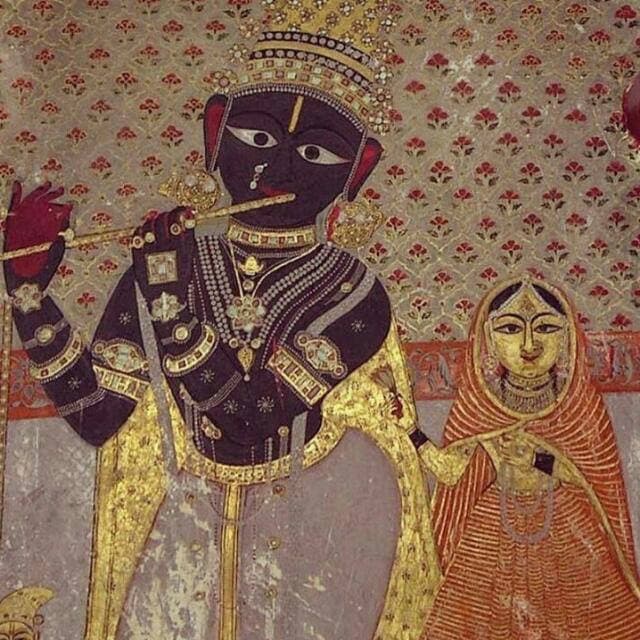
The four Purusharthas—Dharma, Artha, Kama, and Moksha
The four Purusharthas—Dharma, Artha, Kama, and Moksha form the foundation of Sanatan Dharma. Whatever path one follows in life, these four guiding principles shape our understanding of purpose and direction. They help create a balanced and meaningful way of living.
Dharma: Raja Janak’s Guru, Ashtavakra, told him about the five essential principles that form the field on which Dharma is established: truthfulness, honesty, kindness, forgiveness, and cheerfulness. When these values guide our thoughts and actions, our way of life naturally becomes dharmic.
Artha: In Sanatan Dharma, Artha does not simply mean the accumulation of wealth; it means creating the right resources to live a stable, responsible, and dignified life. We worship the divine feminine energy in the forms of Maa Saraswati, Maa Lakshmi, and Maa Kali, which together represent knowledge, prosperity, and strength. True Artha begins with acquiring wisdom and skills, continues with earning wealth through honest and ethical means, and is sustained by discipline, self-control, and right conduct. Wealth earned in this way supports family, society, and dharmic responsibilities, and becomes a tool for service rather than attachment. When guided by values and balance, Artha brings security, confidence, and the capacity to contribute positively to the world.
Kama: The Atman has travelled in the past, is travelling now, and will continue to travel in the future. It carries impressions from previous lives. This present life gives us the opportunity to fulfil the responsibilities and desires of the Grihastha Ashram within the limits of Dharma, while working toward a higher purpose. The evolution of the Atman happens through good karma and right living.
Moksha: The ultimate goal of life— Traditional societies, and even today many thoughtful individuals, live in harmony with Prakriti, the natural energies of the universe, as a step toward this inner freedom. By living with awareness, compassion, self-discipline, and detachment from ego and excess desires, a person gradually moves toward peace and self-realization. Moksha is not only a distant spiritual state; it is also experienced as deep inner contentment, clarity, and harmony with oneself and the world.
Smt. Raj Kanwar Chundawat
Textile designer, craft researcher, educator, and entrepreneur with nearly five decades of experience in Indian hand block printing heritage.