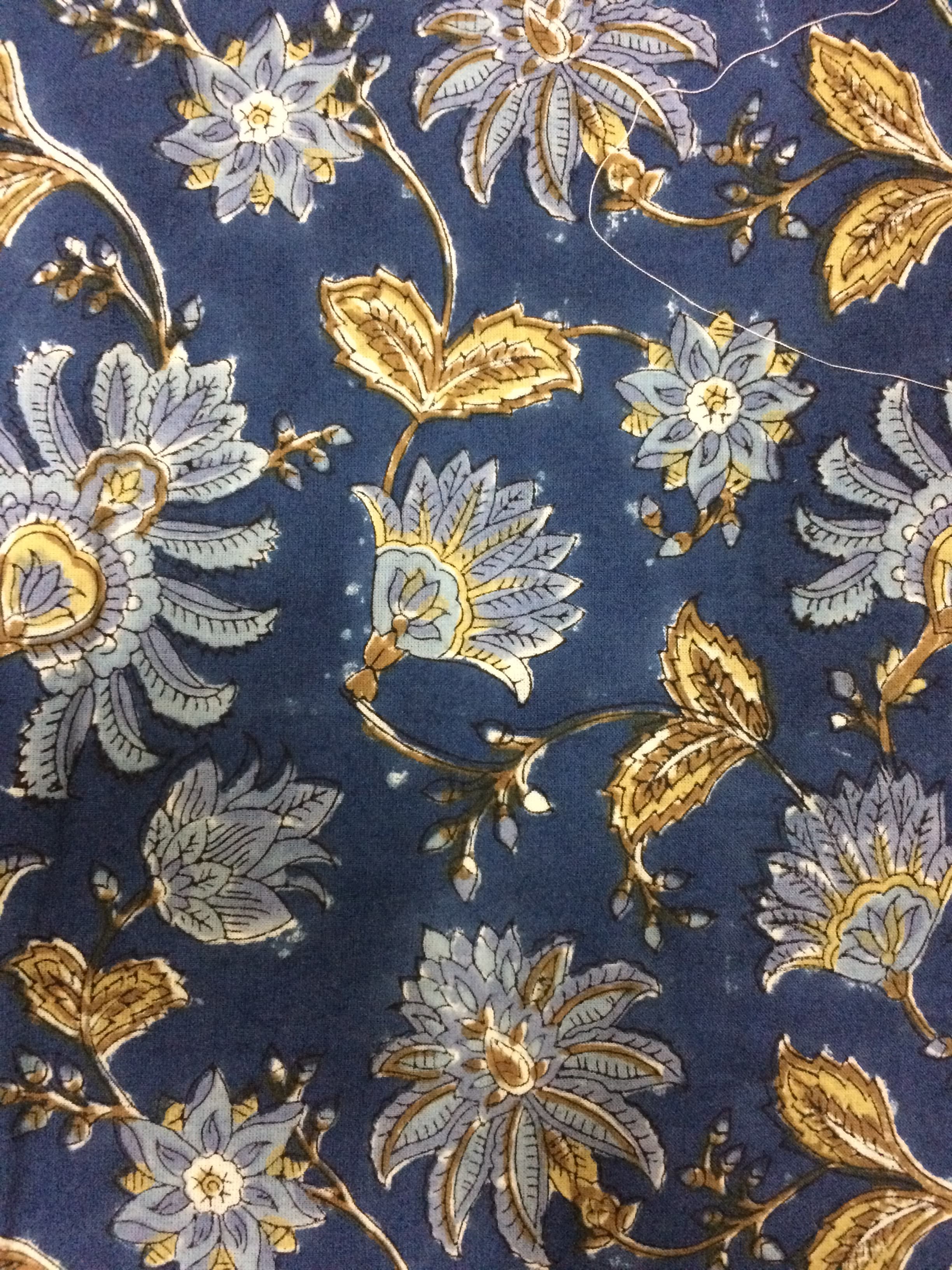
Kala as a Way of Life: From Sacred Expression to Living Craft Traditions
The Sanskrit word Kala means art, skill, technique, and refined creative expression. It represents activities that bring joy, cultivate sensitivity, and enrich human life. In our Indian tradition, Kala was never separate from daily living—it shaped the very way people celebrated existence.
The Spiritual Roots of Chausath Kala
The idea of Chausath Kala, the sixty-four arts, reflects how creativity once formed an essential part of a cultured life. Lord Krishna is regarded as the master of these sixty-four Kalas, while Lord Shiva, known as Kalapati, is revered as the lord of all arts. This gives Kala a deep, spiritual connection that goes beyond just making something beautiful; it is a connection to the divine.
Living with Utsah and Ullas
Indian culture has always celebrated life through utsah and ullas—enthusiasm and joy. Every ritual, season, and occasion found expression through creative activity. Kala lived in the adornment of the self, in paintings on mud walls, in the mandana drawn on floors, in our cooking traditions, and in sculpture, music, and dance. These were not separate artistic practices tucked away in a gallery; they were the natural expressions of a society that lived creatively every single day.
The Heritage of Craft and Community
What we call “craft” today was once simply Kala. It was both a cultural expression and an economic model that sustained entire communities. Within our traditional craft systems, many groups worked together, each contributing specialised skills passed down through generations with immense pride and responsibility. Craft was not only a means of earning a livelihood—it enriched the lives of those who made the objects and those who used them, often carrying deep ritual and symbolic meaning.
The Collective Hand of Block Printing
Hand block printing is one such living example of this harmony. A single piece of printed fabric passes through many skilled hands—the block makers, the dyers, the printers, the washers, and the finishers—before it is finally complete. It is never the work of just one individual, but rather the collective expression of several communities working together. The final textile carries within its folds their shared knowledge, their discipline, and their joy.
Fabric as a Celebration of Life
Seen in this light, hand block printing is not merely a technique. It is a form of Kala, just like music, dance, or sculpture. It springs from inner creativity, but it is also fuelled by a collective cultural spirit. Indian society has always celebrated Kala as a way of life, and traditions like hand block printing continue to express that spirit today. Here, fabric becomes more than just material; it is a celebration of community, creativity, and the simple joy of living. ✨
Smt. Raj Kanwar Chundawat
Textile designer, craft researcher, educator, and entrepreneur with nearly five decades of experience in Indian hand block printing heritage.